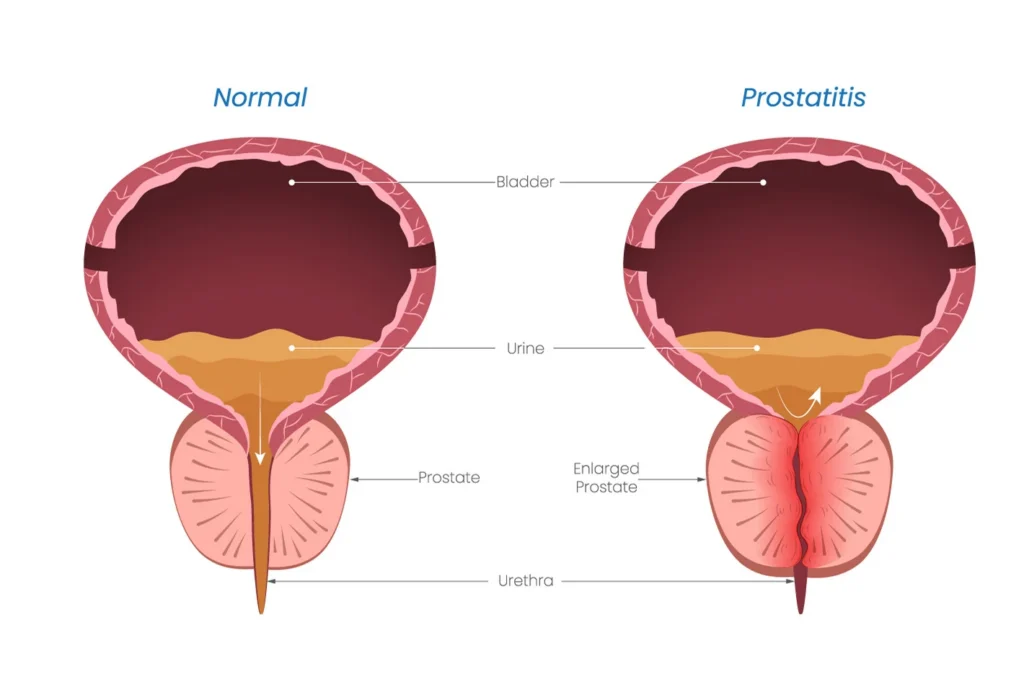
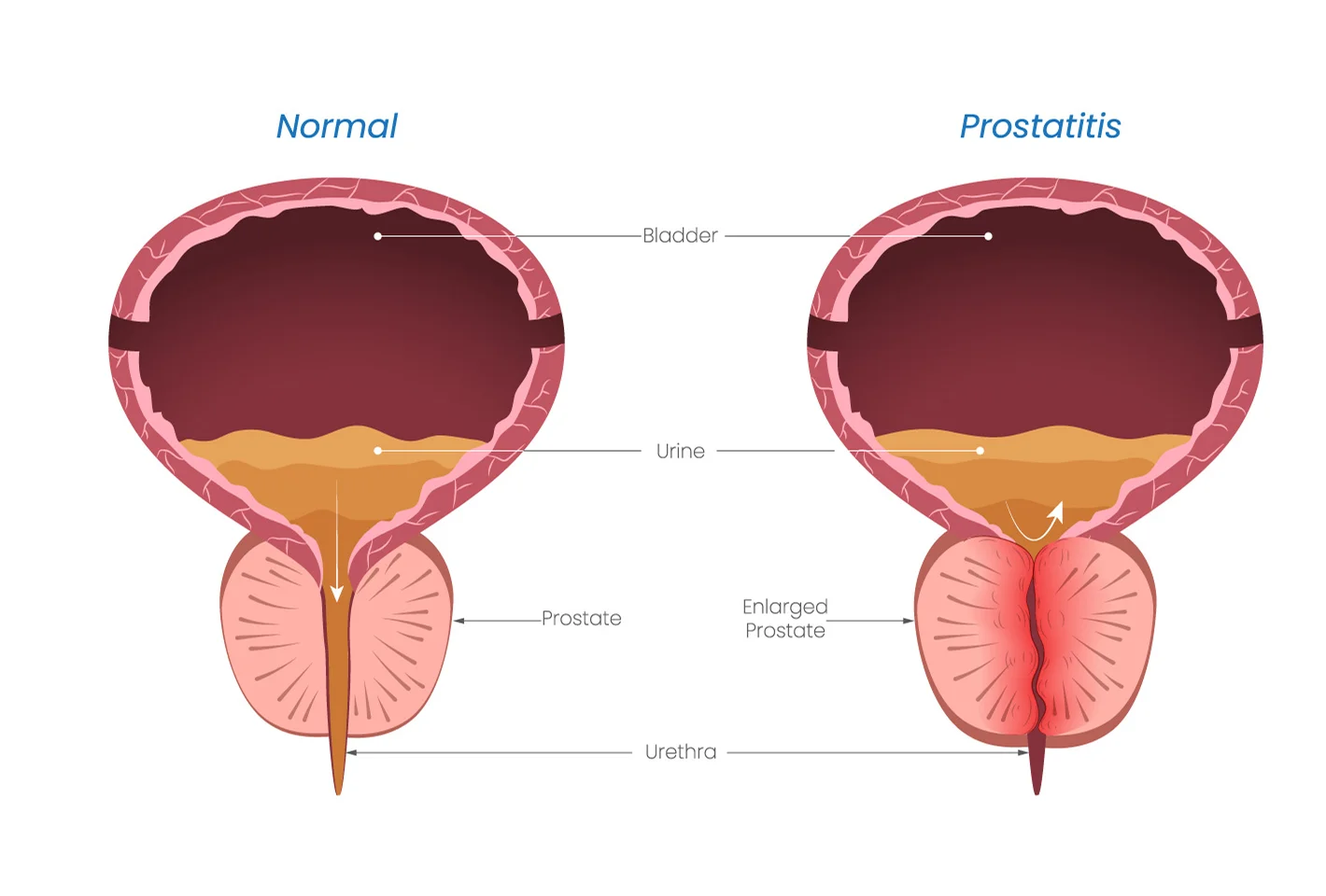
Benign Prostatic Hyperplasia (BPH) is a common condition affecting men as they age, leading to urinary difficulties and discomfort. While not cancerous, BPH can significantly impact quality of life, causing frequent urination, weak urine flow, and other frustrating symptoms. Fortunately, minimally invasive treatments like Prostate Artery Embolization (PAE) offer effective, non-surgical relief.
At Vista Interventional Radiology, we specialize in cutting-edge BPH treatments that provide lasting symptom relief without the need for surgery. This article explores BPH symptoms, causes, and the best treatment options available.
Common Symptoms of BPH
Men with BPH may experience:
- Frequent urination, especially at night (nocturia)
- Weak or interrupted urine stream
- Difficulty starting urination
- A feeling of incomplete bladder emptying
- Urgency to urinate
- Dribbling after urination
If left untreated, BPH can lead to bladder dysfunction, urinary tract infections (UTIs), or even kidney problems.
What Causes BPH?
The exact cause of BPH is not fully understood, but it is believed to be related to hormonal changes as men age. Some key factors that contribute to prostate enlargement include:
- Aging: BPH is most common in men over 50.
- Hormonal Imbalance: Increased levels of dihydrotestosterone (DHT) may stimulate prostate growth.
- Genetics: Family history may play a role in developing BPH.
- Lifestyle Factors: Obesity, lack of exercise, and poor diet may contribute to the condition.
Treatment Options for BPH
There are multiple treatment options available for managing BPH, ranging from lifestyle changes to minimally invasive procedures. Here’s an overview of the best approaches:
1. Lifestyle Changes & Medications
For mild BPH, doctors may recommend lifestyle changes such as limiting caffeine and alcohol intake, avoiding fluids before bed, and performing pelvic floor exercises. Additionally, medications like alpha-blockers and 5-alpha reductase inhibitors can help relax the prostate muscles and reduce their size. However, these medications often come with side effects such as dizziness, sexual dysfunction, and low blood pressure.
2. Prostate Artery Embolization (PAE) – A Minimally Invasive Alternative
Prostate Artery Embolization (PAE) is an advanced, non-surgical procedure that shrinks the prostate by reducing its blood supply. Using image-guided technology, an interventional radiologist inserts a small catheter into the arteries supplying the prostate and injects tiny particles to block excessive blood flow. Over time, the prostate shrinks, relieving urinary symptoms.
3. Surgery (TURP or Prostatectomy) – For Severe Cases
In cases where symptoms are severe, traditional surgical options like Transurethral Resection of the Prostate (TURP) or prostatectomy may be recommended. However, surgery involves greater risks, longer recovery times, and potential complications like sexual dysfunction or incontinence.
Benefits of PAE
- Minimally invasive – no incisions, no hospital stay, and lower risk than surgery.
- Preserves sexual function – unlike some surgical options, PAE does not cause erectile dysfunction or incontinence.
- Fast recovery – most patients return to normal activities within days.
- Long-term symptom relief – significant improvement in urinary symptoms without lifelong medication.
If you’re experiencing urinary symptoms due to BPH and want to explore a non-surgical, long-lasting solution, Prostate Artery Embolization may be the right choice. Our team at Vista Interventional Radiology is here to help you regain comfort and improve your quality of life. Contact Vista IR today to schedule a consultation and find out if PAE is right for you.